By Pastor Andrews - Sep 22, 2026 #devotion #idolatry #relationship
Let's Get Personal
Jeremiah is known as the “weeping prophet” because he understood where the persistent sin of God’s people would lead. Judah’s rebellion would eventually bring devastating judgment upon Jerusalem in 586 B.C. Many would die, while others would be carried away into exile in Babylon for seventy years. Jeremiah knew what was coming, and he longed for the day when Judah’s rebellion and wickedness would finally come to an end. Tragically, he would live to see his own prophecy fulfilled.
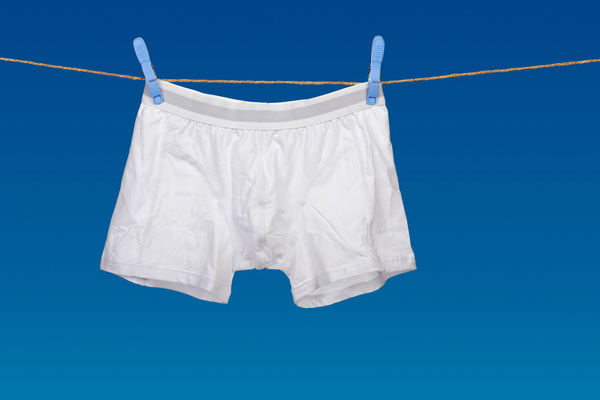
In Jeremiah 13, the LORD gives the prophet a rather unusual assignment. He was told to purchase a loincloth, put it on, and not wash it. Some translations call it a belt, sash, or waistband. The old King James calls it a “girdle.” But most scholars agree that this was essentially a loincloth, think underwear.
We are not told how long Jeremiah wore the loincloth before the LORD instructed him to take it to the Euphrates River—more than 300 miles away- and hide it in a crevice of the rocks. Then, “after many days,” the LORD told him to go back and retrieve it. By then, the loincloth had been exposed to the elements and had deteriorated to the point that it was “good for nothing.” (see Jeremiah 13:7)
The object lesson was unmistakable. The loincloth represented Judah. Just as the garment had become soiled and worthless, God’s people had polluted themselves through their idolatry and rebellion. And just as Jeremiah was commanded to take the loincloth to the Euphrates, Judah would be carried away to Babylon- the very heart of the pagan world and its idolatrous worship.
God was going to use their exile to expose the emptiness and ugliness of their idolatry.
It reminds me of the old story of a young man whose father caught him smoking. In an effort to make the consequences unforgettable, his father made him smoke an entire pack of cigarettes. The boy became violently ill— headache, nausea, and vomiting. He never wanted another cigarette again.
There are times when God allows us to experience the bitter consequences of our sin. He may allow a person to become so consumed by his sinful desires that he finally begins to see the ugliness of what he has been pursuing. The prodigal son may never have “come to himself” had he not experienced the misery of the pigpen (Luke 15).
Sometimes God lets us sink deeply enough into the consequences of our rebellion that we finally realize we are drowning. But there is something even more important in Jeremiah’s object lesson. Listen to how the LORD explains what the loincloth represented:
“For as the loincloth clings to the waist of a man, so I made the whole house of Israel and the whole house of Judah cling to me, declares the LORD, that they might be for me a people, a name, a praise, and a glory, but they would not listen.” Jeremiah 13:11
There it is. God desires that His people cling to Him. And that is where this gets personal. God made you for Himself. He created you not merely to know about Him, obey a list of rules, or participate in religious activity, but to know Him—to belong to Him and to cling to Him.
He wants a relationship with you that is intimate, personal, and exclusive. He wants nothing to come between you and Him.
You may remember the old Calvin Klein jeans commercial in which Brooke Shields famously said, “You want to know what comes between me and my Calvins? Nothing.” It may be a little too personal, but perhaps Jeremiah’s loincloth gives us a memorable way to say it:
What comes between you and your God? What competes for your affection? What has captured your attention? What are you unwilling to surrender? What has become more important to you than God? The loincloth clung to Jeremiah’s waist. God intended His people to cling to Him.
And He still does. Don’t let anything come between you and your God.